
Understanding the Unique Ingredients of Suzhou Cuisine
Exploring Suzhou Cuisine
Suzhou, known as the "Venice of the East," offers a culinary experience as captivating as its picturesque canals and classical gardens. The city's cuisine is a testament to its rich history and cultural heritage, featuring unique ingredients that set it apart from other regional Chinese cuisines. Understanding these ingredients is key to appreciating the depth and complexity of Suzhou's culinary delights.

The Role of Freshwater Ingredients
One of the defining features of Suzhou cuisine is its reliance on freshwater ingredients, a reflection of the region's abundant lakes and rivers. Fish, particularly from Lake Tai, play a prominent role in many traditional dishes. The delicate flavors of freshwater fish are often enhanced with light seasonings, allowing the natural taste to shine through.
In addition to fish, freshwater crabs are a seasonal delicacy that locals eagerly anticipate each autumn. Known for their sweet, tender meat, these crabs are often steamed and served with ginger and vinegar, highlighting their natural flavors. This emphasis on fresh, locally-sourced ingredients is a hallmark of Suzhou's culinary tradition.

Sweetness and Subtlety
Suzhou cuisine is renowned for its subtle sweetness, which differentiates it from other Chinese culinary traditions. This sweetness is not overpowering but rather complements the natural flavors of the ingredients. Sugar is commonly used in cooking, especially in dishes like "squirrel-shaped mandarin fish," where the sauce provides a delicate balance to the dish's savory components.
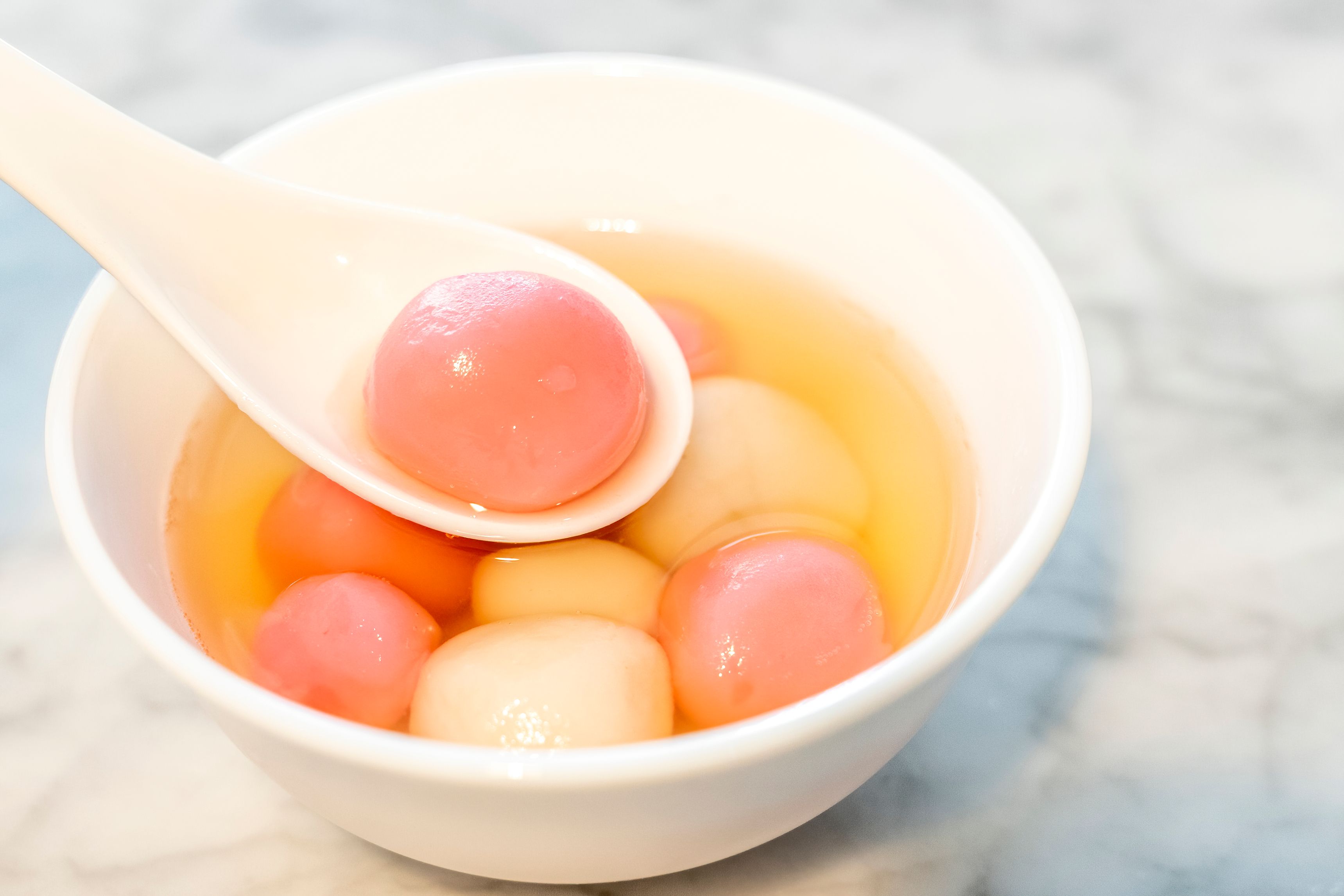
Additionally, Suzhou's desserts and snacks, such as mooncakes and osmanthus cakes, often feature sweetened lotus paste or red bean paste, offering a delightful contrast to more savory dishes. These treats are not only popular during festivals but are also enjoyed throughout the year by locals and visitors alike.
Embracing Seasonal Produce
Seasonality is another critical element of Suzhou cuisine. Chefs take pride in using the freshest seasonal produce to create dishes that reflect the changing seasons. Spring sees an abundance of bamboo shoots and fresh greens, while autumn brings a harvest of chestnuts and taro. This commitment to seasonality ensures that each meal is a celebration of nature's bounty.
An example of this seasonal approach is the use of lotus root during the summer months. Often stir-fried or used in soups, lotus root provides a refreshing crunch and mild sweetness, making it a favorite among locals looking to beat the summer heat.
Traditional Cooking Techniques
The cooking techniques employed in Suzhou cuisine are as important as the ingredients themselves. Steaming, braising, and quick-frying are commonly used methods that preserve the delicate flavors and textures of the ingredients. These techniques require skill and precision, showcasing the artistry involved in creating each dish.

Moreover, presentation plays a significant role in Suzhou cuisine. Dishes are often arranged with an eye for aesthetics, reflecting the city's appreciation for beauty and elegance. This attention to detail enhances not only the visual appeal but also the overall dining experience.
The Influence of Suzhou Cuisine
Suzhou's culinary traditions have influenced many neighboring regions, contributing to the rich tapestry of Jiangsu cuisine. The emphasis on fresh ingredients, balanced flavors, and artistic presentation has left a lasting impact on how food is prepared and enjoyed throughout China.
Whether you're a culinary enthusiast or simply looking to explore new flavors, understanding the unique ingredients of Suzhou cuisine provides insight into a world where food is an art form. Each dish tells a story of history, culture, and nature's offerings, inviting you to savor every bite.