
Understanding the Key Ingredients in Suzhou Cuisine: A Beginner's Guide
Introduction to Suzhou Cuisine
Suzhou, often referred to as the "Venice of the East," is renowned not only for its picturesque waterways and classical gardens but also for its unique culinary offerings. Suzhou cuisine is a significant part of Jiangsu cuisine, known for its use of fresh ingredients and delicate flavors. This beginner's guide will help you understand the key ingredients that make Suzhou cuisine so distinctive.
Freshwater Fish and Seafood
Suzhou's location near Taihu Lake makes freshwater fish and seafood staples in its culinary repertoire. Fish such as silver carp, crucian carp, and whitebait are commonly used in various dishes. These ingredients are often steamed or braised to preserve their natural flavors, resulting in dishes that are mild yet savory.

Rice and Wheat
Rice is a staple in Suzhou cuisine, often served alongside dishes or used to make congee. However, wheat-based foods like noodles and dumplings are equally popular. Suzhou is famous for its delicate, hand-pulled noodles and various types of dumplings, which are often filled with pork or vegetables.
Vinegar and Soy Sauce
A key characteristic of Suzhou cuisine is its balance of sweet and savory flavors. Vinegar and soy sauce are essential condiments that contribute to this balance. The use of aged vinegar adds a subtle tanginess to dishes, while soy sauce provides depth and umami. Together, they create a harmonious blend that enhances the natural taste of the ingredients.

Seasonal Vegetables
Suzhou cuisine heavily emphasizes the use of seasonal vegetables. Ingredients like winter bamboo shoots, lotus roots, and water chestnuts are commonly found in many dishes. These vegetables not only add texture but also provide a refreshing contrast to the richness of other components in the meal.
Sugar and Sweet Elements
Sugar plays a prominent role in Suzhou cooking, offering a unique sweetness that is subtly integrated into savory dishes. This sweetness is achieved by caramelizing sugar with other ingredients, which can elevate the flavor profile of the dish without overpowering it.
Traditional Cooking Techniques
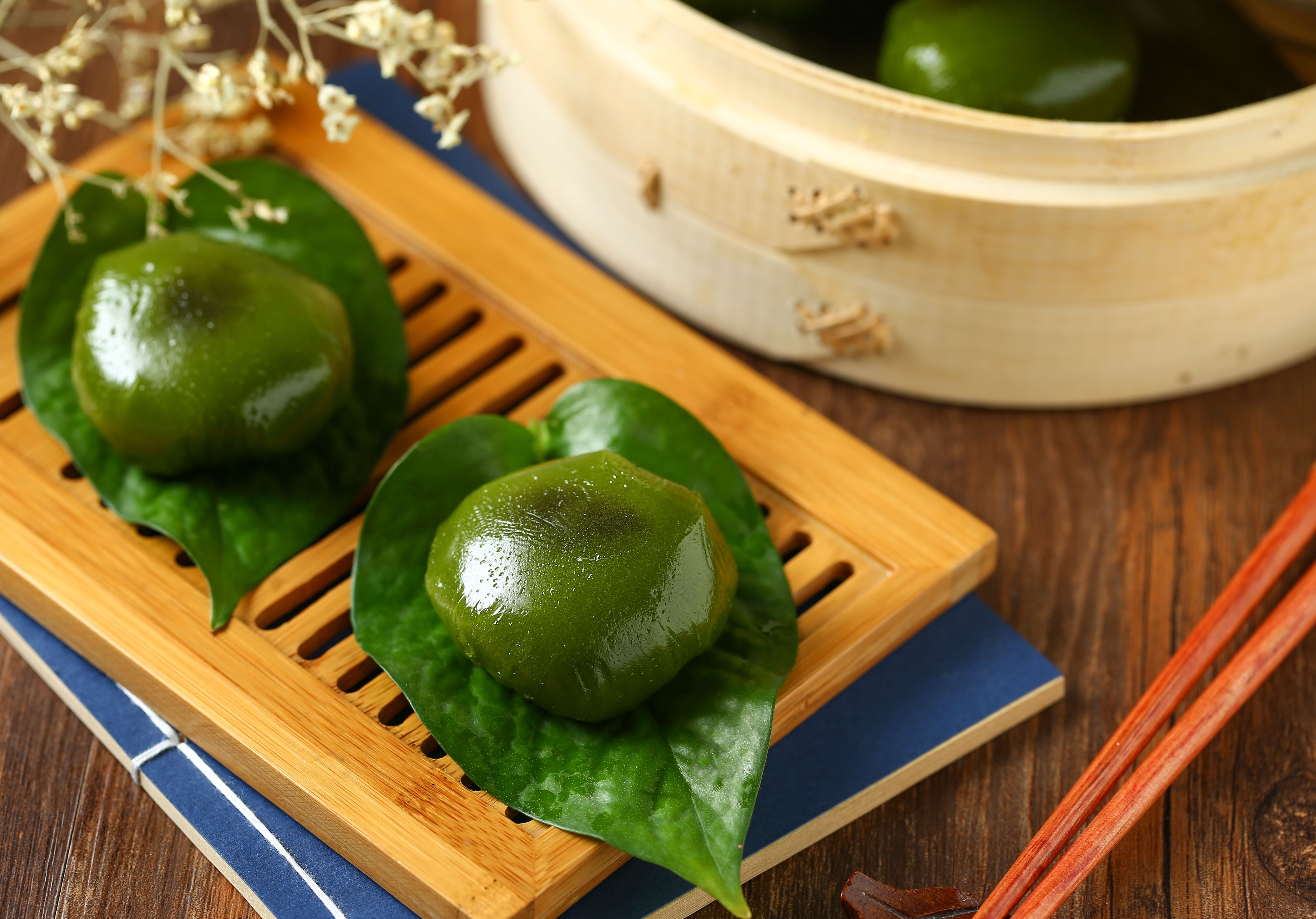
The techniques employed in Suzhou cooking are just as crucial as the ingredients themselves. Steaming, braising, and stir-frying are common methods used to maintain the integrity and taste of the ingredients. These techniques ensure that each dish retains its nutritional value while delivering a complex flavor experience.
Popular Dishes to Try
If you're new to Suzhou cuisine, here are a few dishes you might want to try:
- Squirrel-shaped Mandarin Fish: A signature dish known for its sweet and sour sauce.
- Biluochun Tea Shrimp: Freshwater shrimp cooked with local green tea leaves.
- Sweet and Sour Mandarin Fish: A beautifully presented dish with a perfect balance of flavors.
Conclusion
Understanding the key ingredients in Suzhou cuisine allows you to appreciate its subtle complexity and rich cultural heritage. Whether you're savoring a simple bowl of noodles or indulging in a traditional fish dish, each bite offers a glimpse into the culinary artistry that defines this remarkable region.