
The Essential Guide to Understanding Suzhou Cuisine
Introduction to Suzhou Cuisine
Suzhou cuisine, often referred to as Suzhounese, is a significant branch of Jiangsu cuisine that has gained popularity for its delicate flavors and exquisite presentation. Known for its subtle sweetness and emphasis on fresh ingredients, Suzhou cuisine provides a flavorful yet balanced dining experience. This guide will help you explore the unique characteristics and significant dishes that define Suzhou culinary traditions.

The Hallmarks of Suzhou Cuisine
The essence of Suzhou cuisine lies in its ability to preserve the natural taste of ingredients while enhancing them with mild seasonings. A hallmark of this cuisine is its slight sweetness, which is achieved without overpowering the dish. Chefs in Suzhou often employ meticulous techniques to ensure that each dish maintains a balance between taste, aroma, and visual appeal.
Additionally, freshness is paramount in Suzhou cooking. Whether it's fish, meat, or vegetables, the ingredients are sourced fresh to ensure quality and taste. The use of seasonal ingredients is common, allowing dishes to reflect the changing seasons and local produce.
Signature Dishes of Suzhou
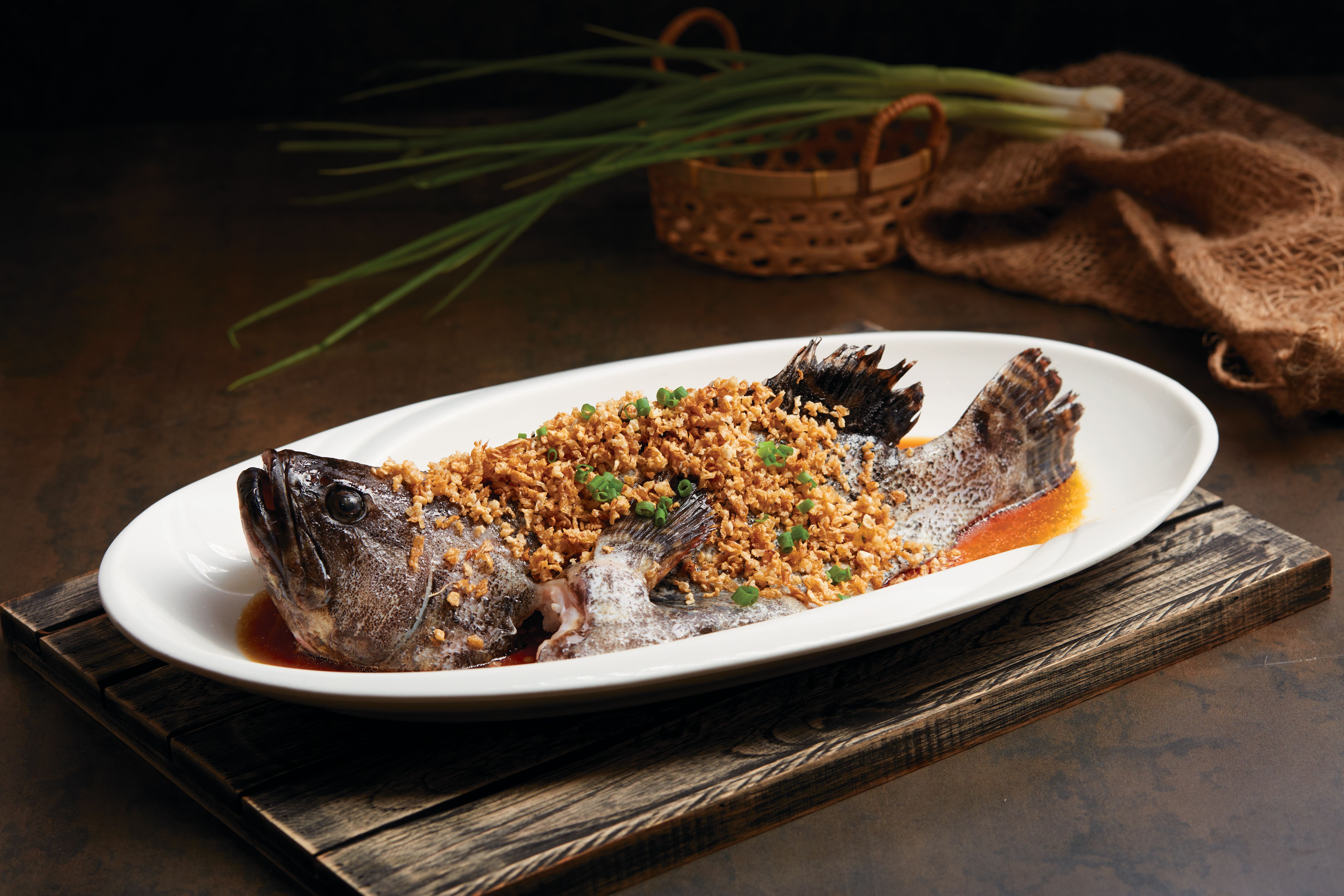
Several signature dishes stand out in Suzhou cuisine, each offering a unique taste of the region. One of the most famous is **Sweet and Sour Mandarin Fish**, a dish renowned for its crispy exterior and tender interior, coated with a delectable sweet and sour sauce.
- **Squirrel Fish** - Named for its resemblance to a squirrel's tail, this dish is often a showstopper at banquets.
- **Braised Pork Belly** - Known as "Dongpo Pork," this dish features succulent pork belly braised in soy sauce and wine.
- **Suzhou-style Mooncakes** - A sweet pastry that is particularly popular during the Mid-Autumn Festival.
Culinary Techniques
Suzhou cuisine employs a variety of cooking techniques to bring out the best in ingredients. Steaming and braising are two widely used methods that help retain the natural flavors and nutrients of the food. These techniques are complemented by stir-frying, which adds texture and depth to many dishes.
The art of presentation is equally important in Suzhou, where dishes are often served as intricate pieces of art. The visual appeal of a dish is considered as important as its taste, making dining in Suzhou a feast for both the eyes and the palate.
Dining Experience in Suzhou
Dining in Suzhou is not just about the food; it’s an experience that involves ambiance and tradition. Many restaurants offer serene settings with traditional décor that enhances the culinary journey. Whether dining in a high-end restaurant or enjoying street food, the atmosphere is designed to complement the flavors of the cuisine.
Pairing Drinks with Suzhou Cuisine
The delicate flavors of Suzhou cuisine pair wonderfully with light teas and wines. Jasmine tea is a popular accompaniment, offering a refreshing contrast to the sweetness of the food. For those who prefer wine, a light white wine or a rice wine can enhance the dining experience by complementing the subtle flavors of the dishes.
Experimenting with different pairings can add another layer to your understanding and enjoyment of Suzhou cuisine. Whether you are a seasoned enthusiast or a curious newcomer, finding the right drink can elevate your meal to new heights.
Conclusion
Suzhou cuisine offers a unique blend of flavors that are both subtle and sophisticated. Its emphasis on fresh ingredients, balanced tastes, and beautiful presentation makes it a culinary tradition worth exploring. By understanding its principles and signature dishes, you can fully appreciate what makes Suzhou cuisine so special.
Whether you are visiting Suzhou or trying to recreate these dishes at home, this guide serves as an essential starting point for discovering the rich flavors and cultural significance of this remarkable cuisine.