
Seasonal Delicacies: Celebrating Chinese Festivals with Suzhou Flavors
Introduction to Suzhou's Culinary Heritage
Suzhou, a city renowned for its classical gardens and silk, is also a treasure trove of culinary delights. During Chinese festivals, the city comes alive with unique flavors and traditional dishes that offer a glimpse into its rich cultural tapestry. Celebrating these festivals with Suzhou's seasonal delicacies is a feast for both the senses and the soul.
The cuisine of Suzhou is known for its subtle sweetness and delicate presentation. Each festival brings with it a distinct set of dishes, each telling its own story. These culinary traditions have been passed down through generations, preserving the essence of Suzhou's rich history.
Lunar New Year: A Feast of Flavors
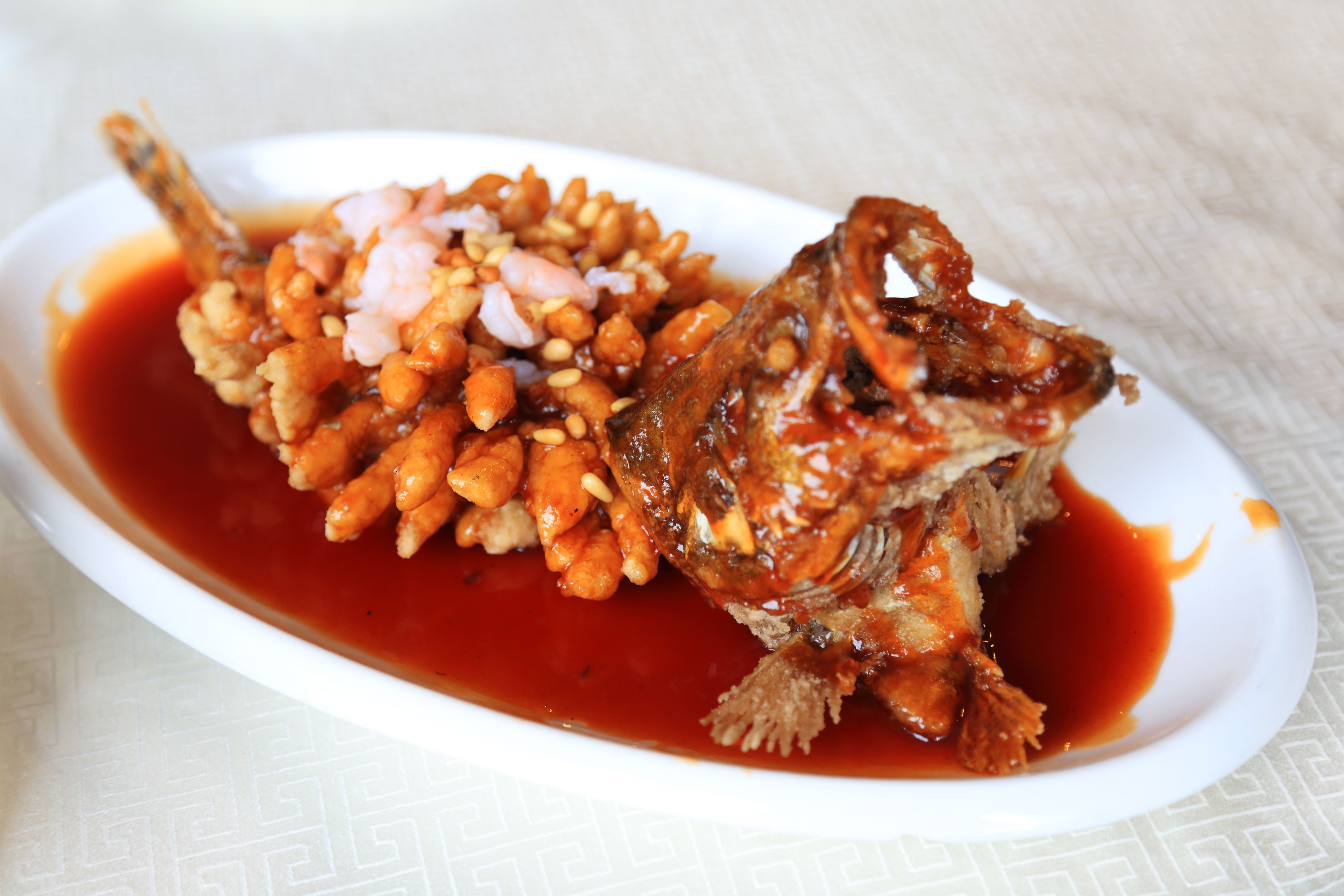
The Lunar New Year is the most significant festival in China, and Suzhou celebrates it with a grand array of dishes. Traditional foods such as sticky rice cakes, known as "nian gao," are popular during this time. These cakes symbolize progress and growth for the coming year.
Another must-try dish is the "Eight Treasures Rice," a sweet and savory dish made with glutinous rice, nuts, and dried fruits. This dish is not only delicious but also represents prosperity and abundance, making it a perfect addition to the New Year feast.
Mid-Autumn Festival: Mooncakes and More
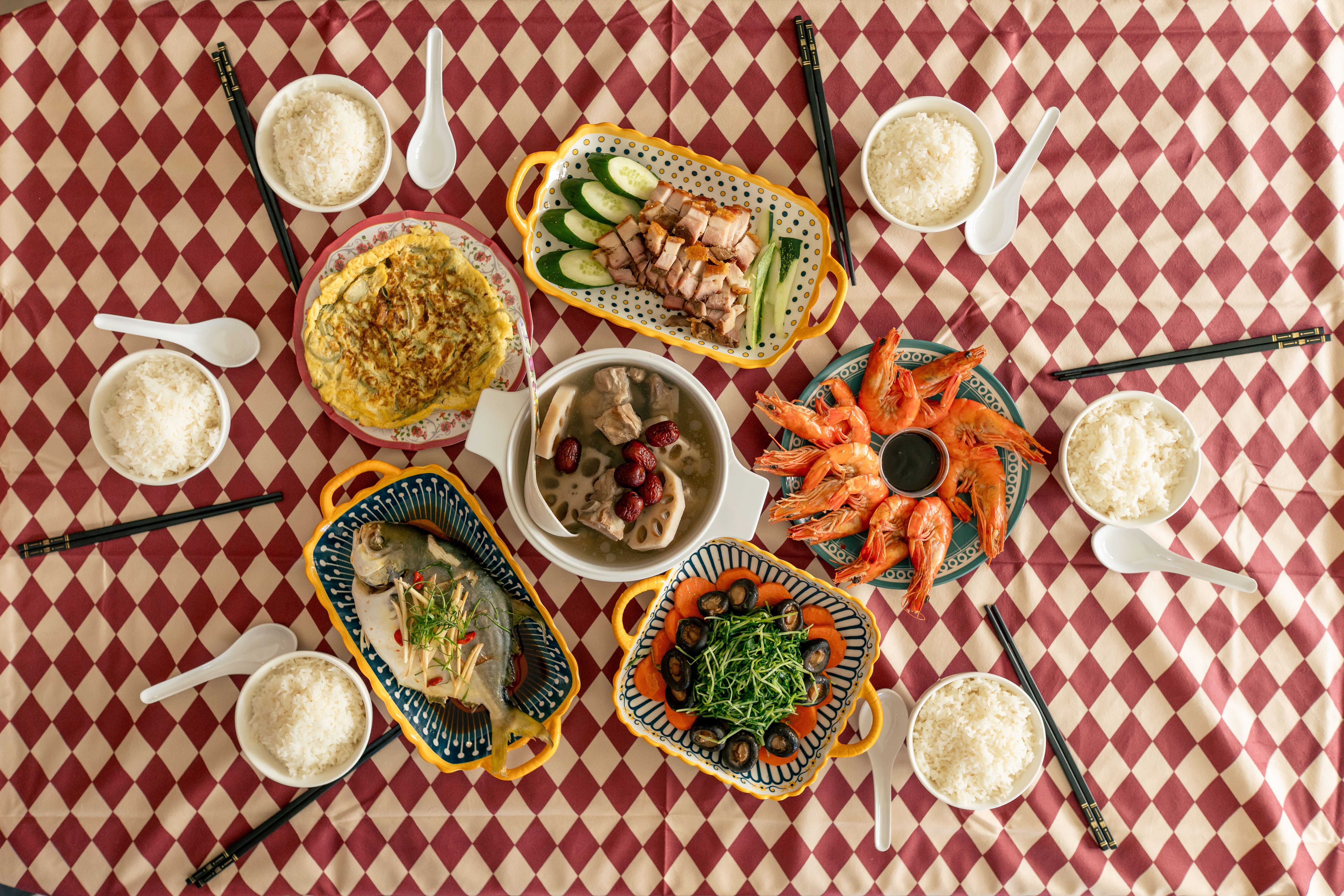
During the Mid-Autumn Festival, families gather to celebrate the harvest moon. Mooncakes, a traditional pastry, are a highlight of this festival. In Suzhou, mooncakes are often filled with red bean paste or lotus seed paste, offering a sweet taste that complements the moonlit festivities.
Aside from mooncakes, Suzhou people also enjoy "hairy crab" during this season. The crabs are steamed and served with ginger vinegar, providing a delightful contrast of flavors. This seasonal delicacy is eagerly awaited by locals and visitors alike.
Dragon Boat Festival: Zongzi and Tradition
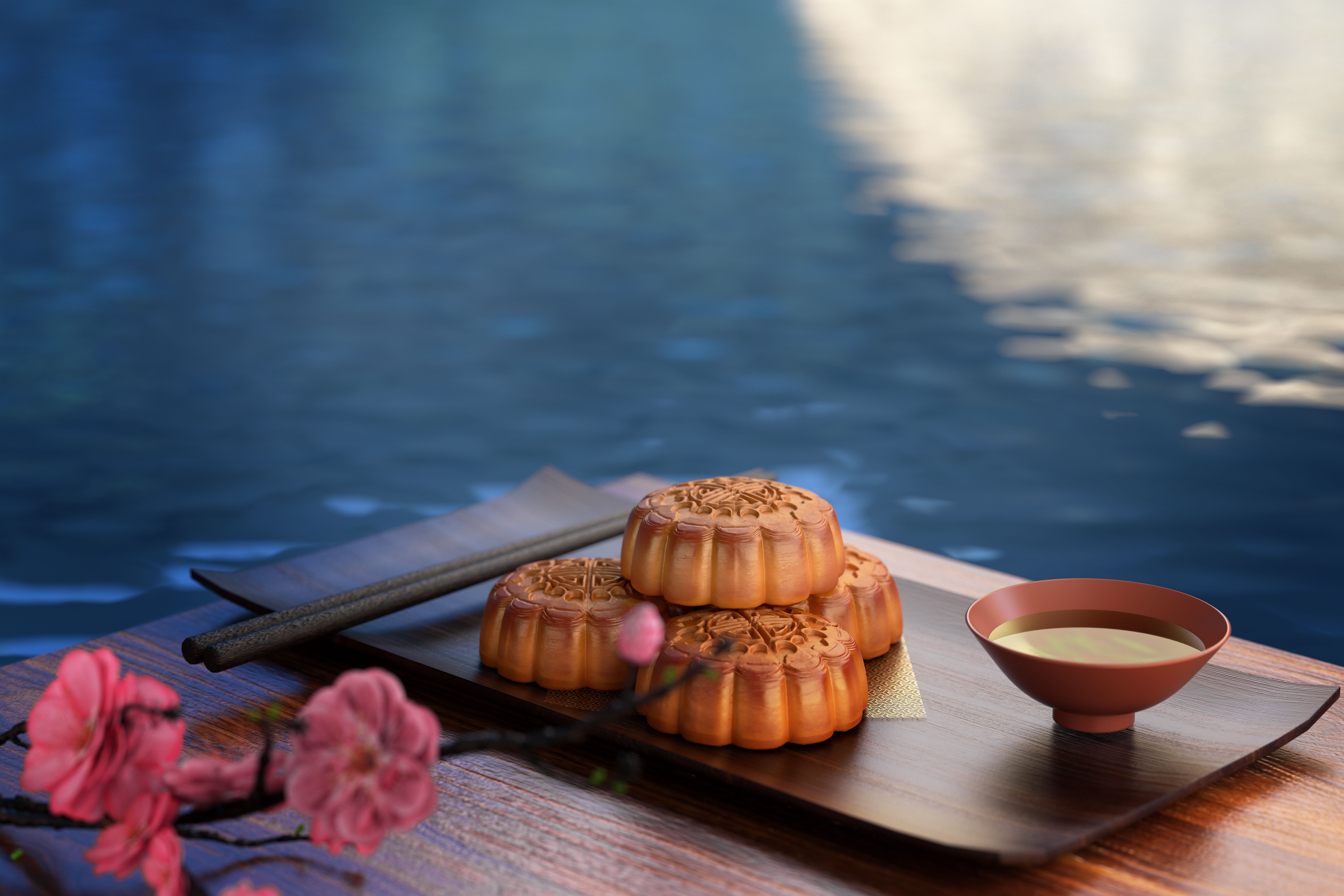
The Dragon Boat Festival is celebrated with the making and eating of "zongzi," a traditional dish consisting of glutinous rice stuffed with various fillings, wrapped in bamboo leaves. In Suzhou, popular fillings include pork belly, salted egg yolk, and red beans.
The preparation of zongzi is often a family affair, with each member contributing to the process. This tradition not only strengthens familial bonds but also keeps the cultural heritage alive for future generations.
Winter Solstice: A Time for Tangyuan
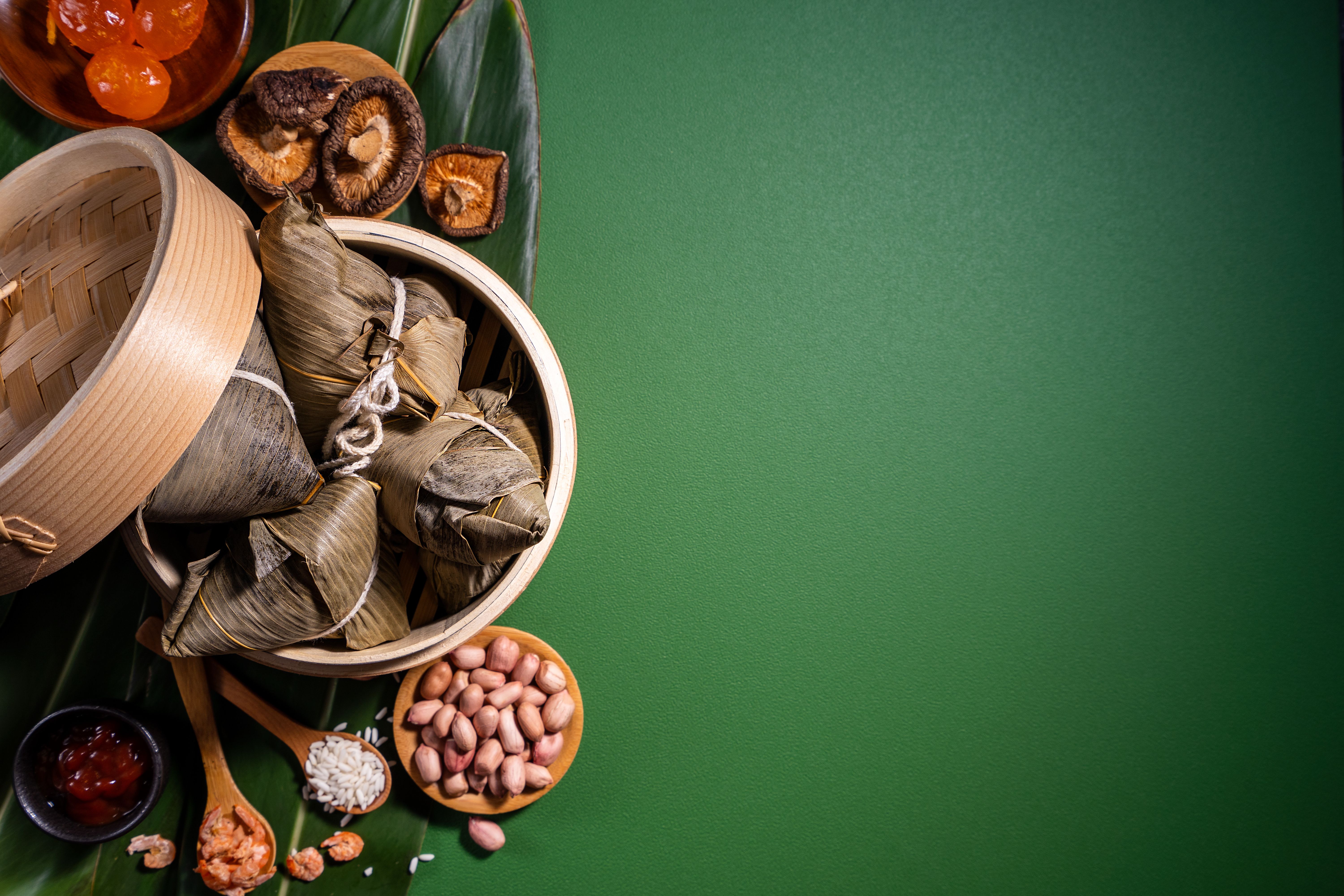
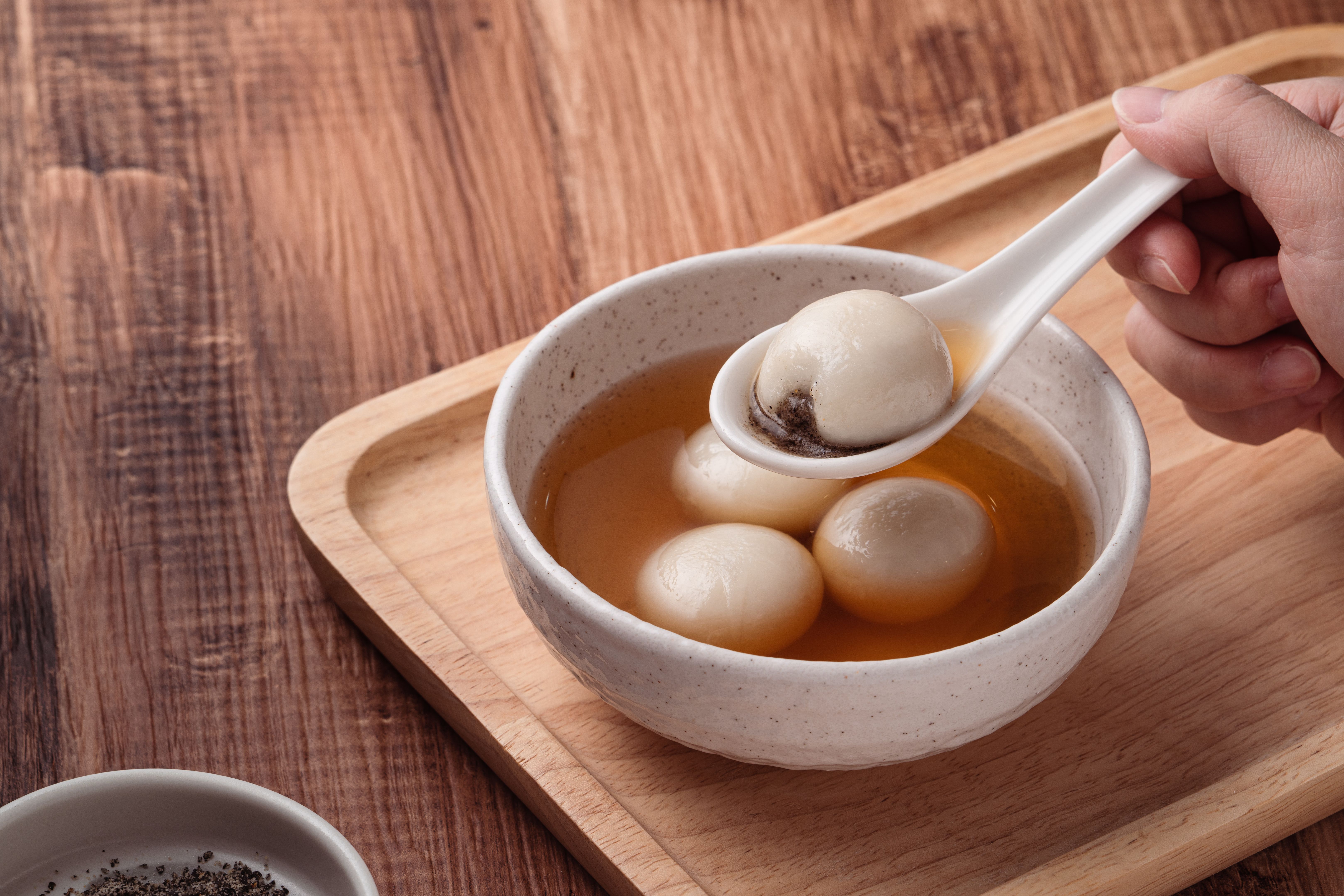
The Winter Solstice, known as "Dongzhi," marks the arrival of winter. It's a time for family reunions and enjoying warm dishes like "tangyuan," sweet glutinous rice balls. In Suzhou, these are often filled with black sesame or peanut paste, symbolizing unity and togetherness.
Eating tangyuan during Dongzhi is believed to bring happiness and harmony to the family, making it a cherished tradition in Suzhou. The warmth and sweetness of tangyuan provide comfort during the cold winter months.
Conclusion: A Culinary Journey
Celebrating Chinese festivals with Suzhou flavors is more than just a culinary experience; it's a journey through time and tradition. Each dish tells a story, connecting the past with the present and bringing people together in a shared celebration of culture and heritage.
Whether you're savoring the sweetness of mooncakes under a harvest moon or enjoying the savory delights of zongzi during the Dragon Boat Festival, Suzhou's seasonal delicacies offer a unique taste of Chinese culture that is truly unforgettable.