
Myth-Busting: Common Misconceptions About Suzhou Cuisine
Introduction to Suzhou Cuisine
Suzhou, often referred to as the "Venice of the East," is renowned for its picturesque landscapes and rich cultural heritage. However, its cuisine is equally intriguing, offering unique flavors and culinary traditions. Unfortunately, there are several misconceptions about Suzhou cuisine that deserve clarification.
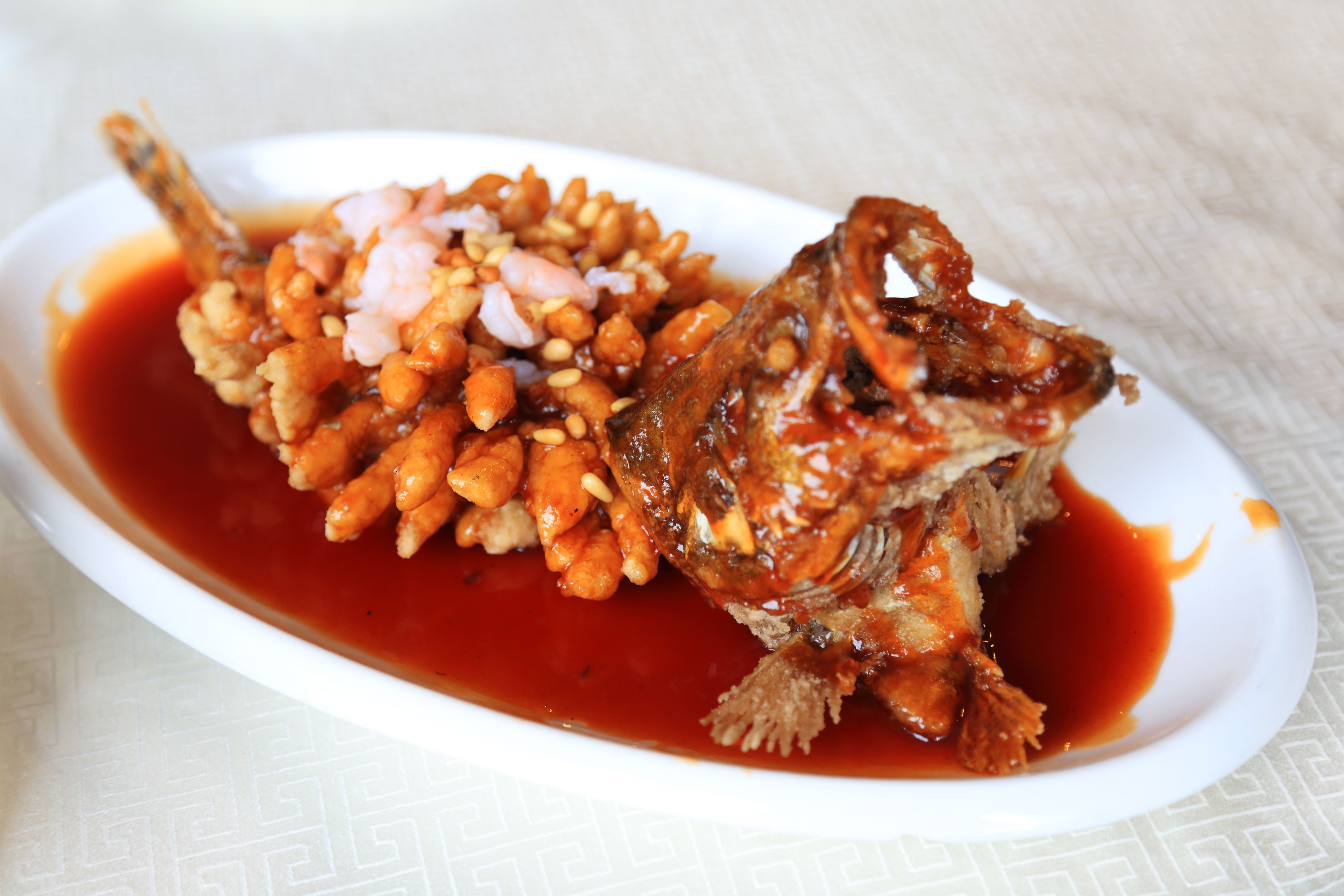
Myth 1: Suzhou Cuisine is Just Sweet
A common misconception is that Suzhou dishes are overwhelmingly sweet. While sweetness is a notable component, Suzhou cuisine is much more complex. The chefs skillfully balance sweet, savory, and umami flavors to create dishes that delight the palate. For example, the famous "Squirrel-Shaped Mandarin Fish" offers a nuanced taste that blends sweet and sour elements.
Myth 2: Suzhou Cuisine Lacks Variety
Another myth is that Suzhou cuisine is limited in variety. In reality, it offers a rich tapestry of flavors and ingredients. From fresh river fish and seafood to a wide array of seasonal vegetables, Suzhou's culinary offerings are diverse and abundant. Local specialties such as "Biluochun Tea Shrimp" and "Suzhou-Style Mooncakes" showcase this variety.
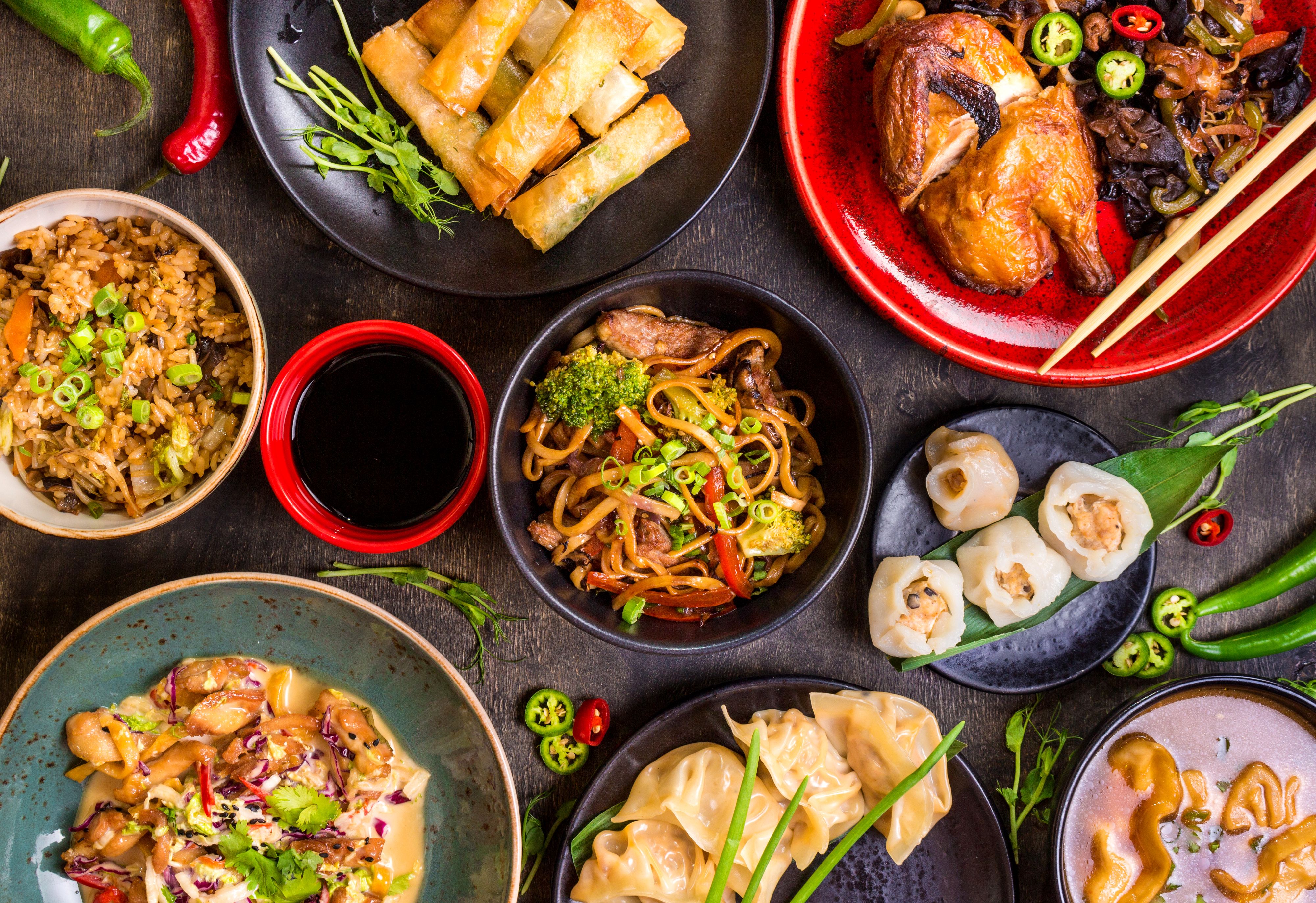
Myth 3: Suzhou Cuisine Is Only About Presentation
While Suzhou dishes are indeed known for their artistic presentation, the emphasis is not solely on aesthetics. The taste and quality of ingredients are of utmost importance. Chefs use traditional techniques and fresh produce to ensure the dishes are not only visually appealing but also delicious. This harmony of appearance and flavor is a hallmark of Suzhou cuisine.
Exploring Popular Suzhou Dishes
Suzhou's culinary landscape includes some must-try dishes that exemplify its unique flavors:
- Squirrel-Shaped Mandarin Fish: A crispy fish dish with a sweet and sour sauce.
- Songshu Guiyu: Known for its intricate preparation and delightful taste.
- Biluochun Tea Shrimp: A dish that combines fresh shrimp with Suzhou's famous green tea.
Misunderstanding of Ingredients
Some people assume that Suzhou cuisine uses only exotic ingredients. In truth, the focus is on fresh, locally-sourced produce. Seasonal ingredients play a significant role, ensuring that dishes are both flavorful and sustainable. This approach reflects the region's deep connection to its natural surroundings.
The Influence of Suzhou's Geography
Suzhou's location in the Yangtze River Delta greatly influences its cuisine. The abundance of water sources provides fresh fish and seafood, while fertile land supports a variety of vegetables and grains. This geographical richness is reflected in the diversity and freshness of Suzhou dishes.
Conclusion
In summary, Suzhou cuisine is a vibrant tapestry of flavors, textures, and aromas that go beyond the common misconceptions. From its balanced use of sweet and savory to the diverse ingredients and artistic presentation, Suzhou offers a culinary experience that is both rich and rewarding. Next time you explore Chinese cuisine, don't miss the chance to savor the delights of Suzhou.