
How Suzhou Cuisine is Influencing Singapore's Culinary Scene
The Rich Heritage of Suzhou Cuisine
Suzhou, a city known for its classical gardens and silk production, also boasts a culinary tradition that is increasingly capturing the hearts and taste buds of food enthusiasts around the world. Known for its subtle flavors and artistic presentation, Suzhou cuisine is making waves in Singapore's diverse food scene. With its emphasis on quality ingredients and meticulous preparation, Suzhou cuisine offers a refreshing contrast to the bolder flavors often found in other Chinese cuisines.
In Suzhou cooking, the focus is on maintaining the natural taste of ingredients. This is achieved through techniques like steaming and braising, which allow the flavors to develop without overpowering the dish. The result is a cuisine that is both delicate and complex, offering a unique experience for diners who appreciate finesse in their meals.
Key Ingredients and Techniques
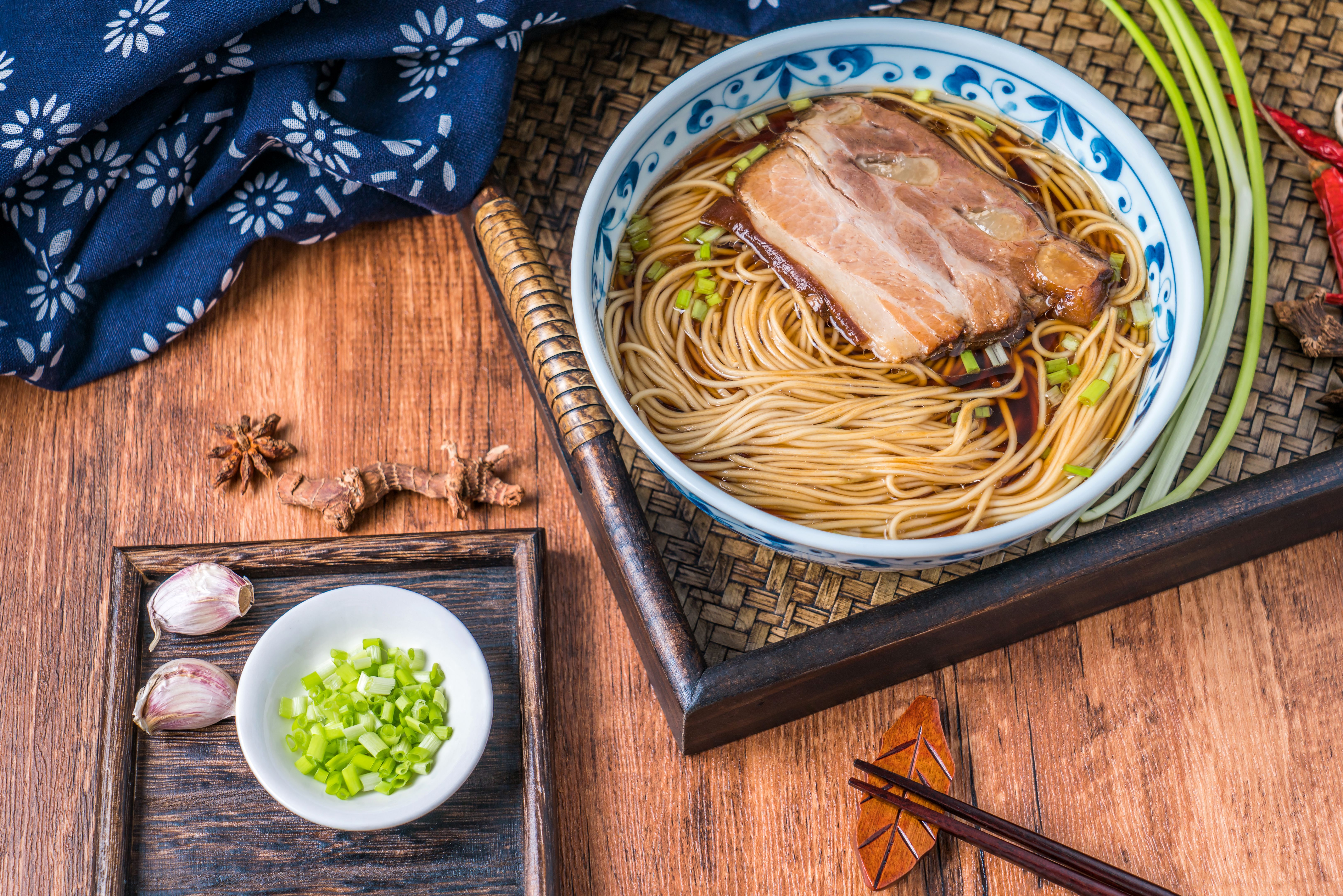
One of the defining characteristics of Suzhou cuisine is its use of seasonal ingredients. Freshwater fish and seafood from nearby Taihu Lake feature prominently, as do vegetables like lotus root and water chestnuts. These ingredients are often combined with light sauces to enhance their natural flavors. Soy sauce, sugar, and Shaoxing wine are common in Suzhou dishes, creating a balance of sweet and savory notes.
Suzhou chefs are known for their expert knife skills, which they use to prepare ingredients with precision. This attention to detail extends to the presentation of each dish, where aesthetics play a crucial role. Dishes are often garnished with edible flowers or carved vegetables, adding a visual appeal that complements the taste.
The Influence on Singapore's Food Scene
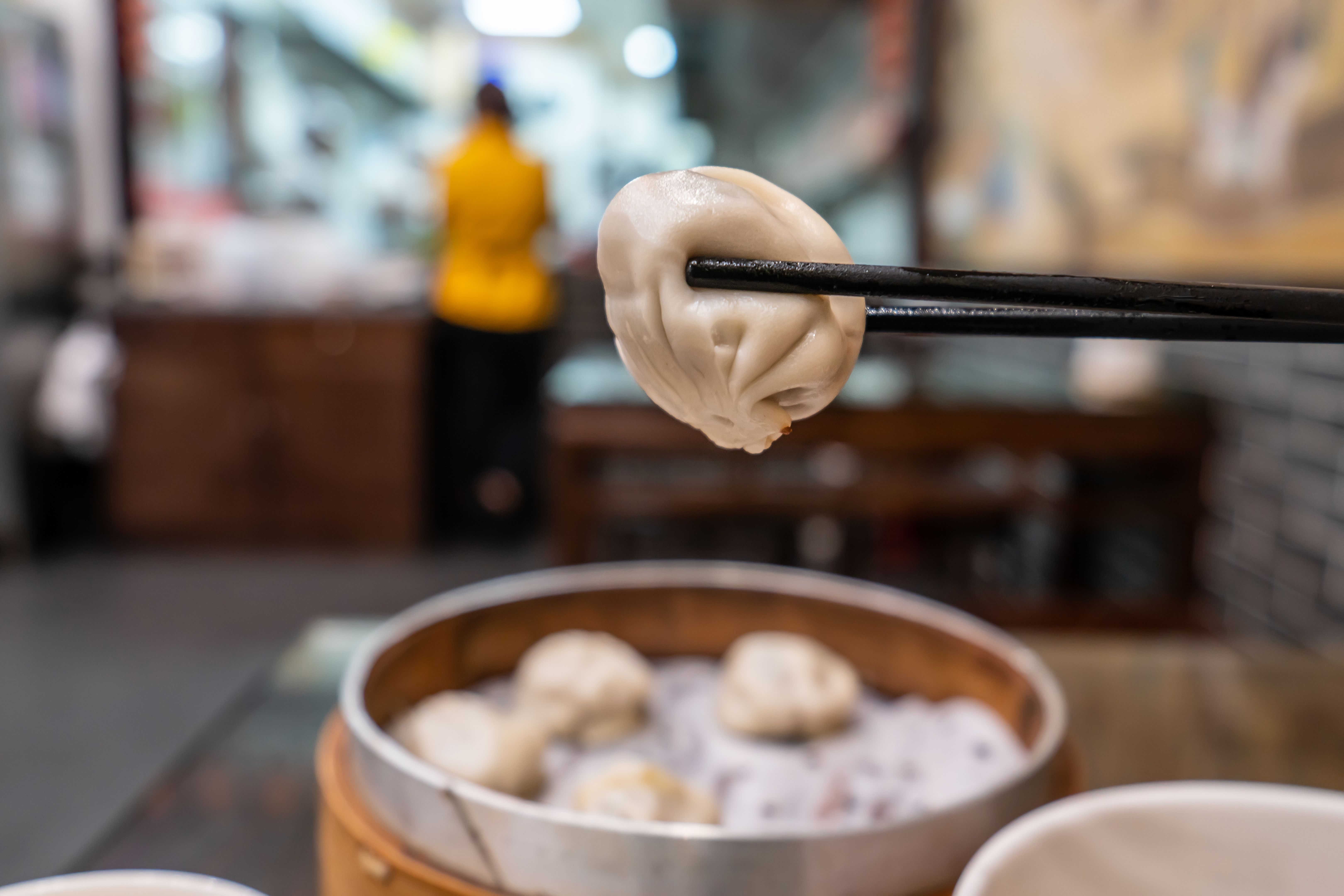
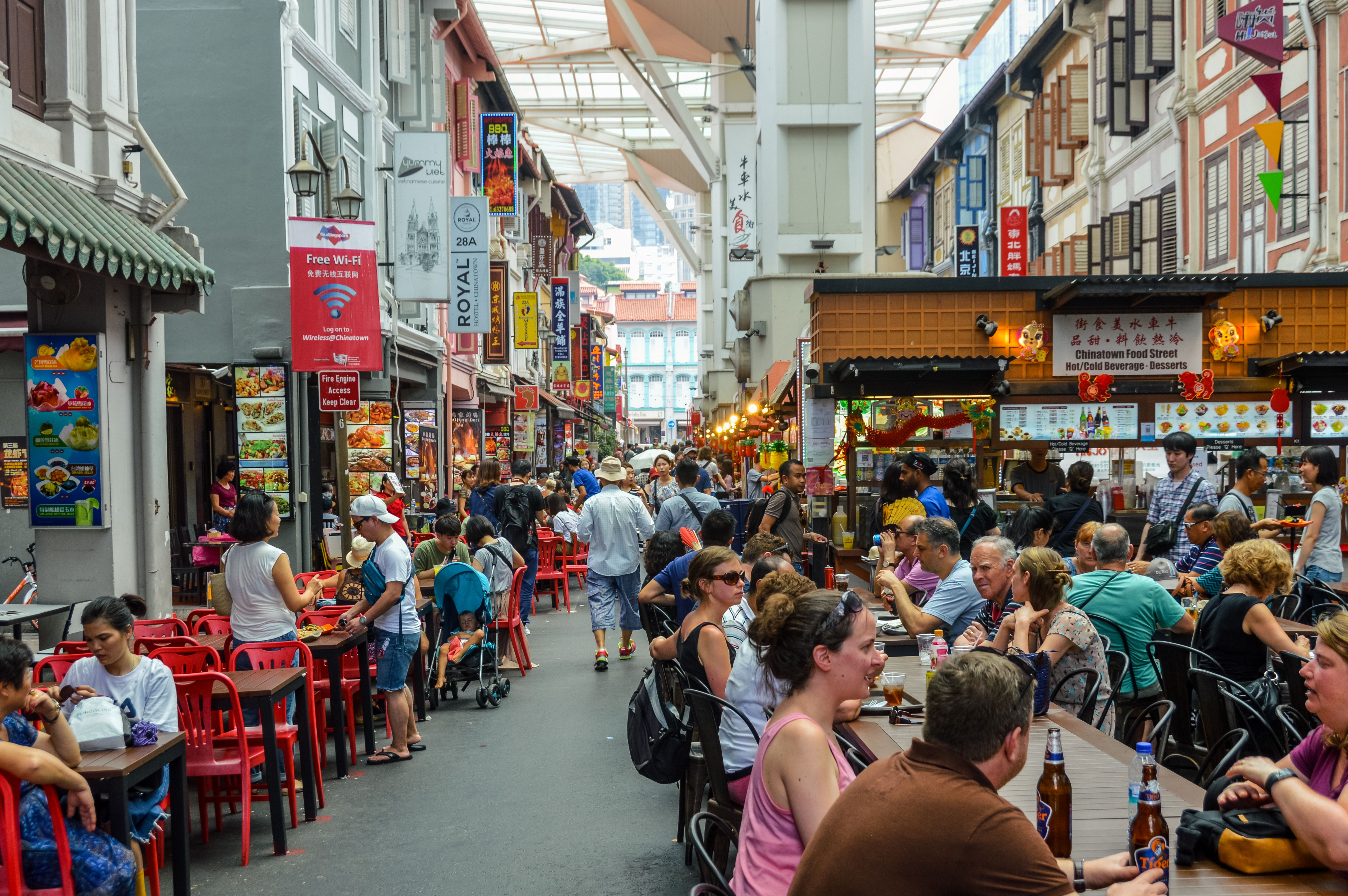
Singapore's culinary landscape is known for its diversity, bringing together flavors from various cultures. The introduction of Suzhou cuisine into this vibrant mix has been met with enthusiasm by both locals and tourists alike. Restaurants specializing in Suzhou dishes have started to pop up, offering diners a chance to experience this elegant style of cooking.
The influence of Suzhou cuisine can be seen in the growing popularity of certain dishes such as sweet and sour Mandarin fish and Dongpo pork. These dishes highlight Suzhou's signature balance of flavors and have been adapted to suit local tastes while maintaining their traditional roots.
Popular Suzhou Dishes in Singapore
Several Suzhou dishes have gained popularity in Singapore's dining scene. Here’s a list of must-try dishes:
- Squirrel-shaped Mandarin Fish: A sweet and sour dish where the fish is scored to resemble a squirrel and then deep-fried for a crunchy texture.
- Stewed Pork Belly: Known as Dongpo pork, this dish features tender slices of pork belly braised with soy sauce and spices.
- Suzhou-style Mooncakes: These mooncakes are known for their flaky crusts and fillings that range from sweet red bean paste to savory pork.
The Culinary Exchange
The infusion of Suzhou cuisine into Singapore is part of a larger culinary exchange between China and Southeast Asia. As more chefs experiment with incorporating Suzhou techniques and ingredients into their menus, new fusion dishes are emerging. This blending of culinary traditions not only broadens the palate but also fosters a deeper appreciation for the rich cultural heritage behind each dish.
Food festivals and culinary events in Singapore often feature Suzhou cuisine, allowing food lovers to explore these exquisite flavors firsthand. Through cooking demonstrations and tasting sessions, attendees can gain insight into the meticulous preparation that defines Suzhou cooking.
The Future of Suzhou Cuisine in Singapore
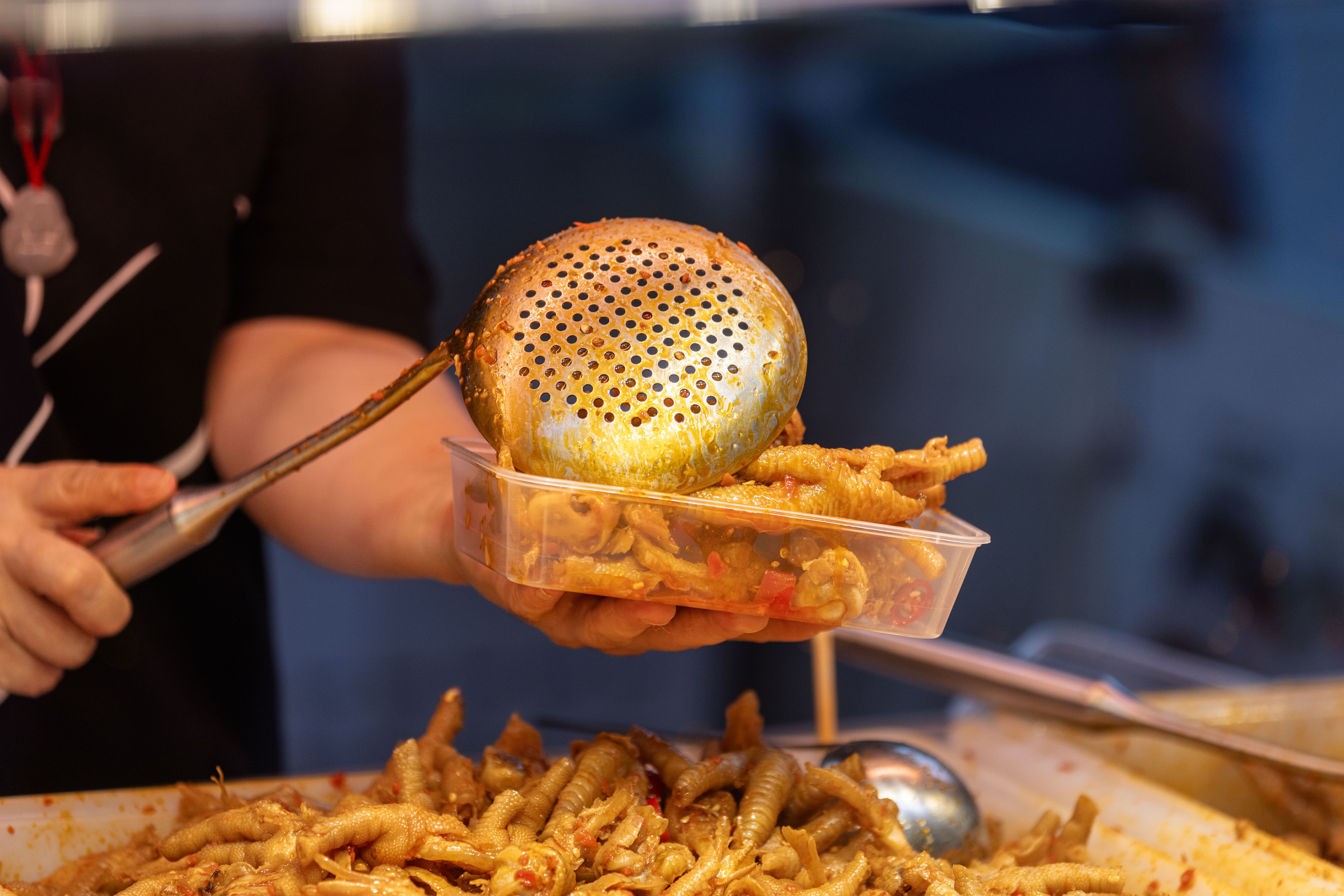
As the demand for diverse culinary experiences continues to grow in Singapore, Suzhou cuisine is well-positioned to become a staple in its food scene. With its emphasis on quality ingredients and artistic presentation, it offers an appealing alternative for those seeking a refined dining experience.
Looking ahead, there is potential for even greater integration of Suzhou cooking into Singapore's culinary framework. As chefs continue to innovate and adapt traditional recipes to modern tastes, Suzhou cuisine will likely remain a dynamic and influential presence in Singapore’s ever-evolving food landscape.