
Exploring Suzhou Cuisine: What Sets It Apart from Other Chinese Cuisines?
Introduction to Suzhou Cuisine
When one thinks of Chinese cuisine, the mind often drifts towards the fiery flavors of Sichuan or the delicate dim sum of Cantonese origin. However, nestled in the Jiangsu province is Suzhou, a city renowned for its exquisite gardens and canals, and equally famous for its distinctive and refined cuisine. Suzhou cuisine, also known as Su Bang Cai, is a branch of Jiangsu cuisine, which is one of the Eight Culinary Traditions of China. Known for its subtle sweetness and meticulous presentation, Suzhou cuisine offers a unique experience that sets it apart from other Chinese culinary practices.
The essence of Suzhou cuisine lies in its light and balanced flavors. Dishes are often prepared with an emphasis on fresh ingredients and natural tastes, avoiding heavy spices and overpowering sauces. This focus on purity and simplicity allows the natural flavors of the ingredients to shine through, providing a dining experience that is both refreshing and satisfying.

Signature Ingredients and Flavors
One of the defining characteristics of Suzhou cuisine is its use of fresh-water fish and seafood, thanks to the city's proximity to Yangtze River and Taihu Lake. Fish dishes are prepared with great care, often steamed or gently braised to preserve the delicate flavors. Besides seafood, Suzhou cuisine is also known for incorporating seasonal vegetables, ensuring that each dish captures the essence of its ingredients.
The sweetness in Suzhou dishes is subtle yet distinct. Unlike the bold sweetness found in some other regional cuisines, Suzhou's sweet flavors are more nuanced, providing a gentle contrast to savory elements. This balance is achieved through the use of sugar combined with soy sauce and vinegar, creating a harmonious blend that elevates the dish without overwhelming the palate.
Iconic Dishes to Try
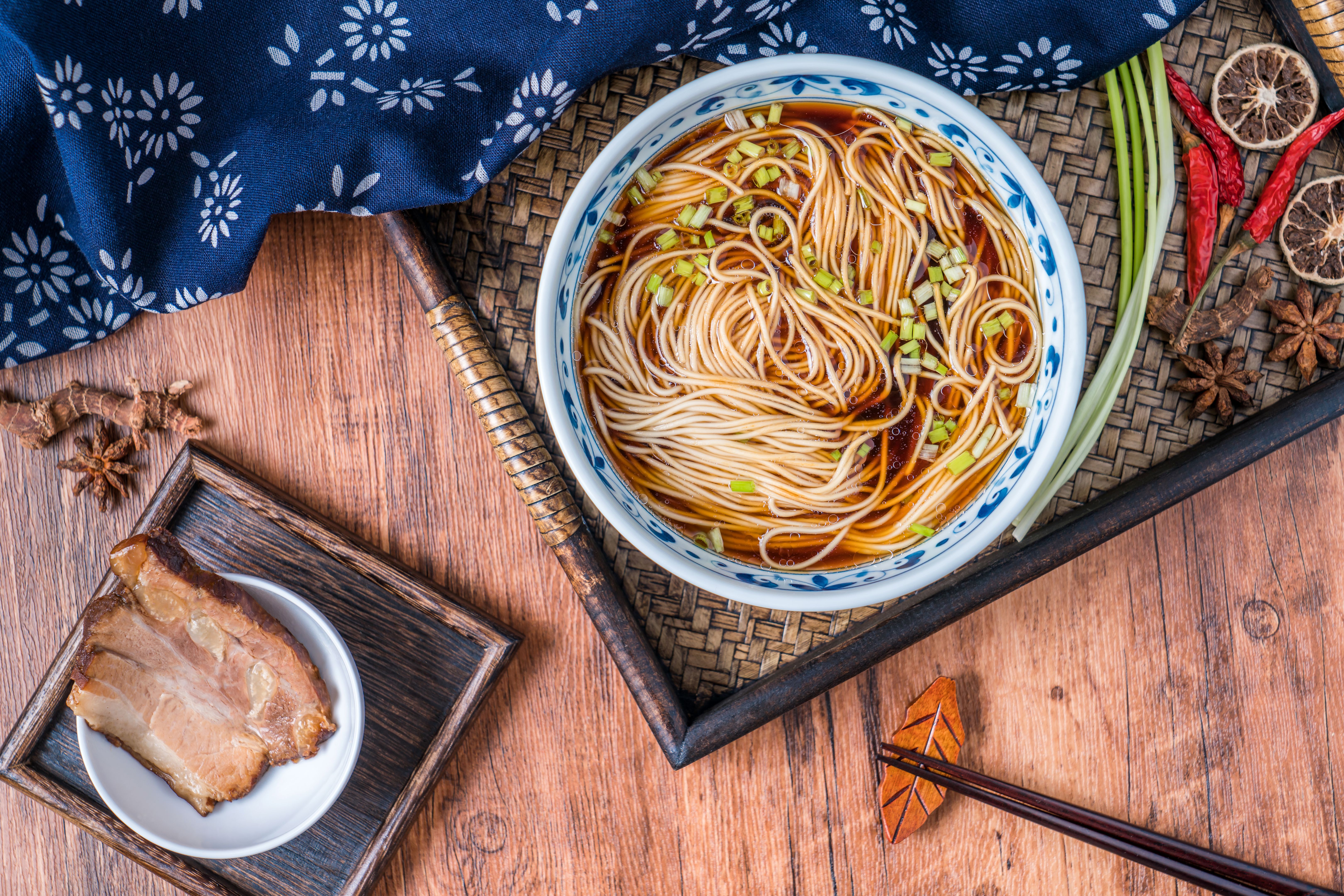
Suzhou cuisine boasts a variety of iconic dishes that are a must-try for any food enthusiast. Here are some highlights:
- Squirrel-shaped Mandarin Fish: This dish is a feast for both the eyes and taste buds. The fish is skillfully fried to resemble a squirrel with its tail lifted, then draped in a sweet and sour sauce for a delightful crunch.
- Biluochun Tea Shrimp: A perfect example of how Suzhou cuisine incorporates local ingredients, this dish features tender shrimp infused with the floral notes of Biluochun tea.
- Sweet and Sour Mandarin Fish: Another fish delicacy, this dish highlights the balanced sweetness and tanginess that Suzhou cuisine is known for.
Presentation and Aesthetic Appeal
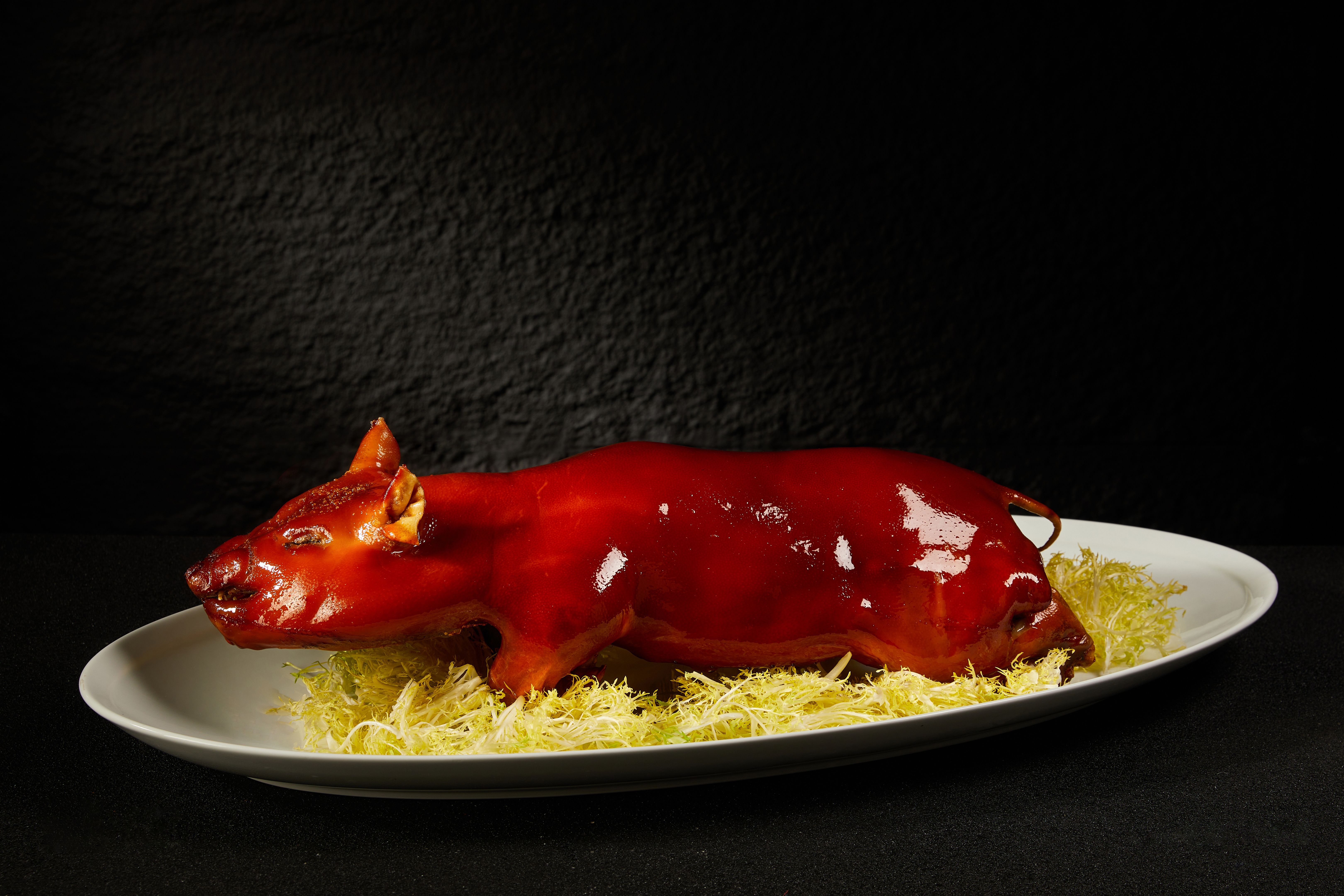
The visual presentation of Suzhou dishes is just as important as their taste. Chefs in Suzhou pay great attention to the aesthetics of their creations, ensuring that each dish is not only delicious but also visually stunning. The artful arrangement of food on the plate reflects the elegance and sophistication for which Suzhou is famed.
This attention to detail extends beyond plating to the choice of serving dishes and tableware. Intricate designs and elegant patterns on plates enhance the dining experience, making every meal feel like a special occasion. The combination of exquisite taste and beautiful presentation makes Suzhou cuisine a true culinary art form.
A Culinary Journey Worth Exploring
Exploring Suzhou cuisine offers more than just a meal; it is an immersive journey into the culinary traditions and cultural heritage of Jiangsu province. Each bite tells a story of historical influences, local ingredients, and the artistic sensibilities that define this unique gastronomic experience.
For those who seek to broaden their culinary horizons, tasting authentic Suzhou dishes provides insight into the diverse flavors and cooking techniques that make Chinese cuisine so richly varied. Whether you're savoring a bowl of Biluochun Tea Shrimp or marveling at the presentation of Squirrel-shaped Mandarin Fish, Suzhou's culinary delights promise an unforgettable journey through taste and tradition.