
Comparing Suzhou Cuisine to Other Chinese Regional Foods: A Flavor Profile
Exploring Suzhou Cuisine
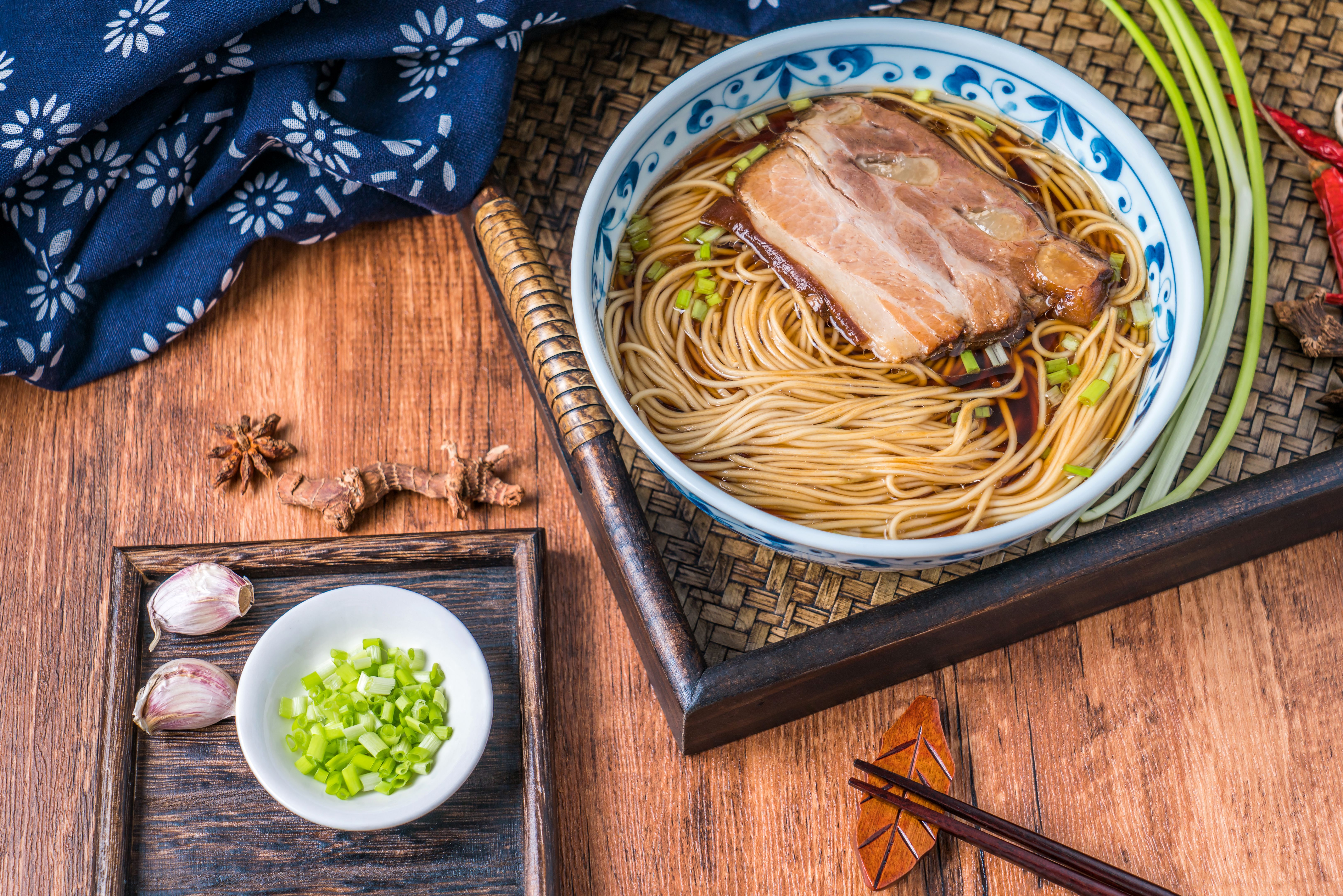
When diving into the diverse world of Chinese cuisine, Suzhou's culinary offerings stand out for their unique flavor profile. Known for its emphasis on sweetness and subtlety, Suzhou cuisine is a part of the Jiangsu regional food culture. Its dishes are often characterized by their light and fresh taste, with an artful presentation that mirrors the beauty of the region itself.
Suzhou cuisine places a strong emphasis on seasonal ingredients and meticulous preparation. Chefs in this region are known for their skillful knife work, which helps to enhance the texture and appearance of each dish. Traditional Suzhou dishes often include freshwater fish and crustaceans, tofu, and seasonal vegetables, all prepared with a delicate hand.
Suzhou versus Sichuan: A Contrast in Heat
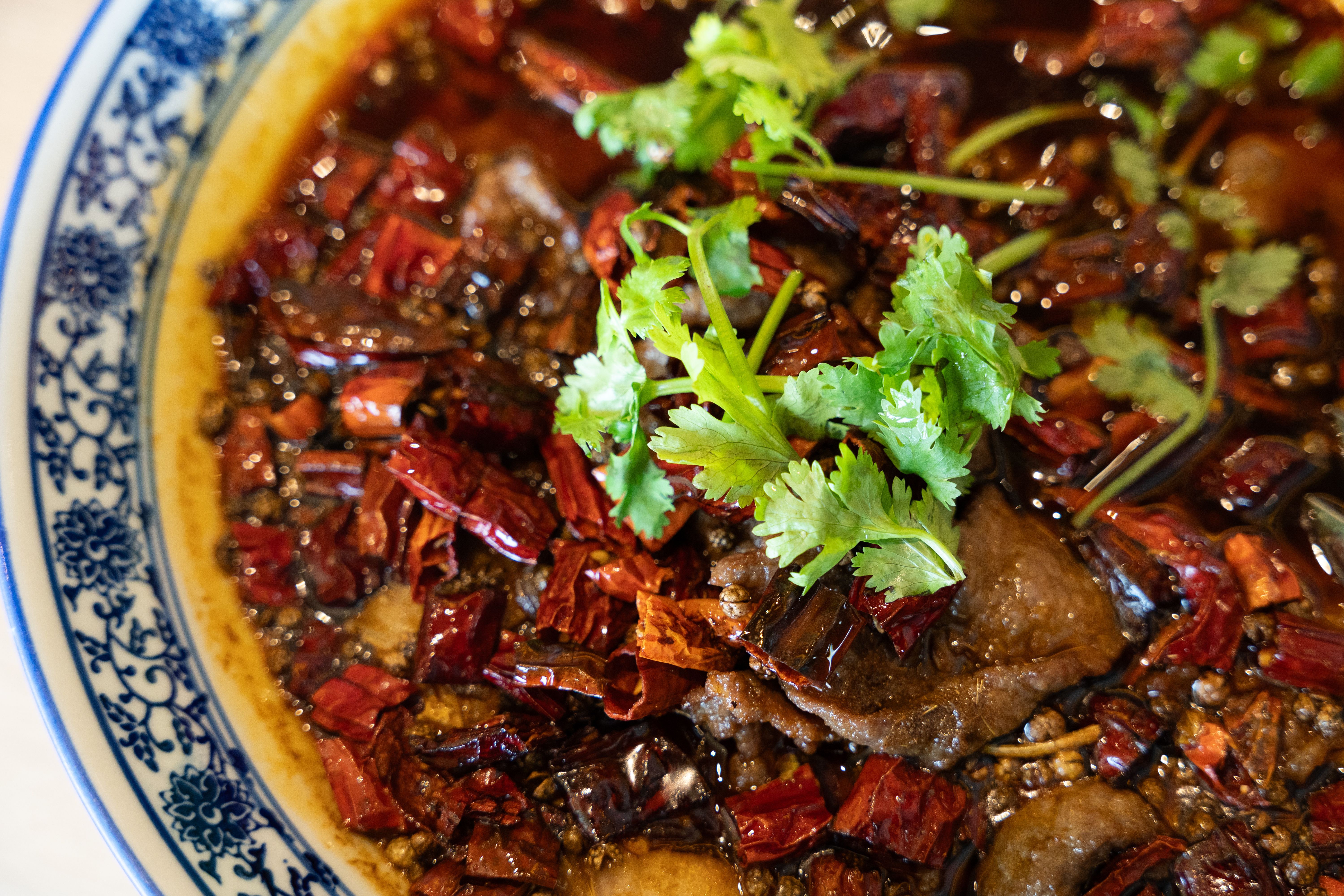
One of the most significant contrasts between Suzhou cuisine and other Chinese regional foods is its lack of spiciness. Unlike Sichuan cuisine, which is famous for its hot and numbing flavors from liberal use of Sichuan peppercorns and chilies, Suzhou dishes are mild and sweet. This creates a different culinary experience that is less about bold heat and more about subtle complexity.
While Sichuan's fiery dishes are designed to invigorate the palate, Suzhou's milder flavors focus on highlighting the natural taste of ingredients. For those who prefer a gentler dining experience, Suzhou offers a soothing alternative to the intensity of Sichuan's heat.
Comparing Suzhou to Cantonese Cuisine
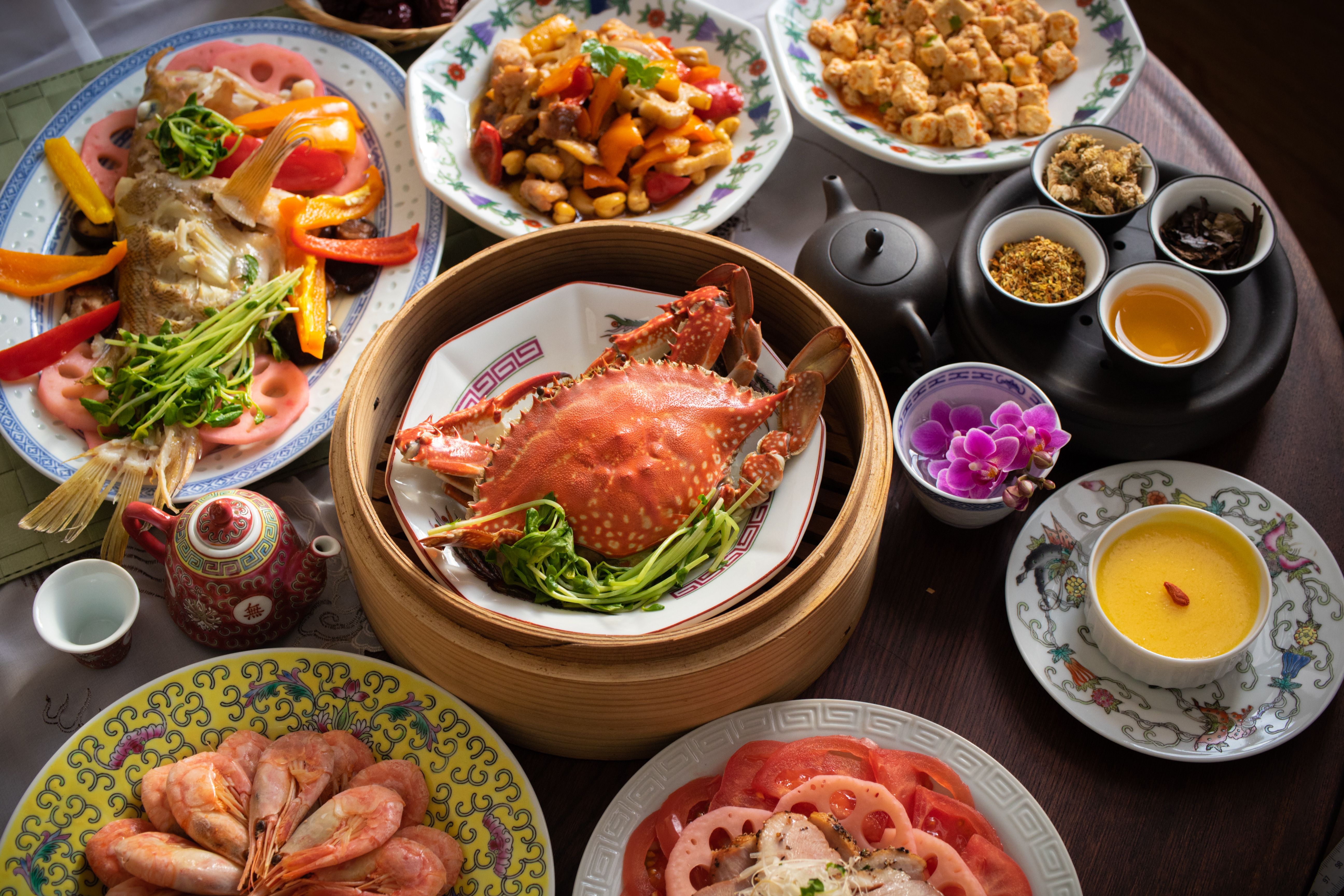
Both Suzhou and Cantonese cuisines share a dedication to freshness and quality of ingredients. However, Cantonese cuisine is more widely known for its dim sum and roasted meats, such as char siu. Cantonese dishes often employ a variety of cooking methods including steaming, roasting, and stir-frying, while Suzhou cuisine places greater emphasis on braising and stewing.
Cantonese dishes can be bold with flavors like oyster sauce and soy sauce, whereas Suzhou's culinary creations lean towards sweetness. This is evident in dishes such as "Songshu Guiyu" (Sweet and Sour Mandarin Fish), showcasing the balance between sweet and savory that defines Suzhou's palate.
Suzhou and Shanghainese: A Shared Palette
Suzhou cuisine shares some similarities with Shanghainese food due to their geographical proximity. Both regions favor sweet flavors, but Shanghainese dishes often incorporate a stronger presence of oil and soy sauce. While Suzhou's approach is generally lighter, emphasizing natural sweetness without overpowering the main ingredients, Shanghainese cuisine can be richer and more robust.
A classic example is the famous "Hong Shao Rou" (Red Braised Pork), which is prevalent in both regions but tends to be sweeter and less oily in Suzhou's version. This subtle difference highlights the delicate balance that Suzhou chefs strive to achieve in their culinary creations.

The Essence of Suzhou Cuisine
At its core, Suzhou cuisine is about harmony and balance. The focus is on enhancing the natural flavors of ingredients while creating beautiful presentations that are pleasing to both the eye and the palate. This delicate approach extends beyond taste, incorporating texture and aroma to create a multi-sensory dining experience.
For food enthusiasts looking to explore Chinese regional cuisines beyond the well-known spicy or tangy options, Suzhou offers a refreshing perspective. Its subtle sweetness and intricate preparation methods provide a unique taste journey that showcases the elegance of Jiangsu's culinary heritage.